
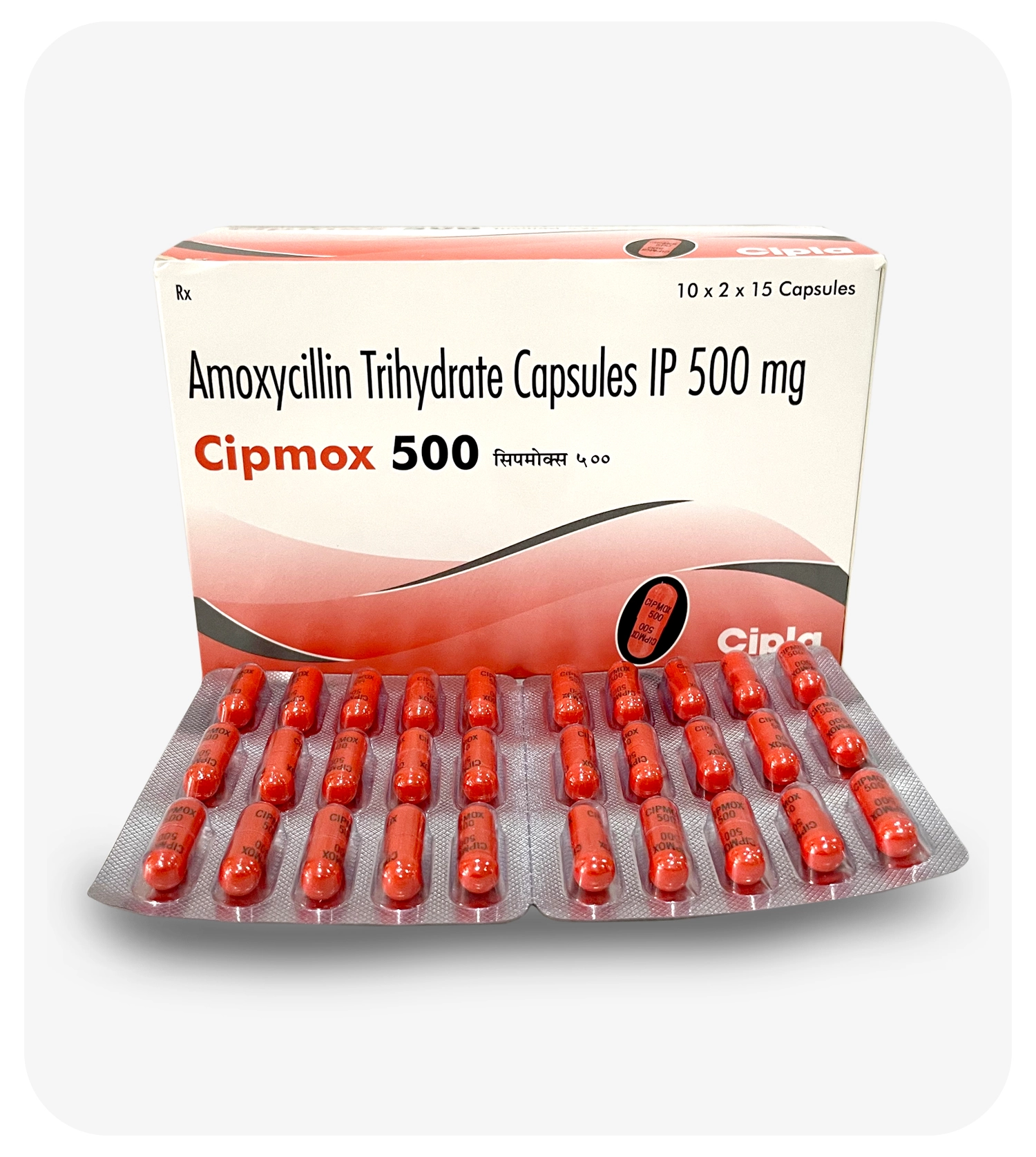
Amoxicillin 500mg: Uses, Dosage, Side Effects & Safety Guide
Amoxicillin 500mg: Uses, Dosage, Side Effects & Safety Guide
Amoxicillin 500mg is a prescription antibiotic used to treat various bacterial infections. It belongs to a group of medicines called penicillin antibiotics and works by stopping bacteria from building the protective cell walls they need to survive. This helps the body fight the infection.
Understanding Amoxicillin 500mg uses, dosage, side effects, and safety information is important before starting treatment. This guide explains how the medicine works, the conditions it may treat, and the precautions patients should follow.
What Is Amoxicillin 500mg?
Amoxicillin 500mg contains amoxicillin, an antibiotic that helps treat infections caused by susceptible bacteria. It is available in different forms, including capsules, tablets, and liquid preparations.
It is important to remember that amoxicillin works against certain bacterial infections, not viral illnesses such as the common cold or flu. A healthcare professional should determine whether an antibiotic is necessary.
Amoxicillin 500mg Uses
Doctors may prescribe amoxicillin for several types of bacterial infections, depending on the bacteria involved and the patient's condition.
Respiratory Tract Infections
Amoxicillin may be prescribed for certain bacterial infections affecting the respiratory system, including some cases of pneumonia and other susceptible respiratory infections.
Ear, Nose, and Throat Infections
It may be used to treat bacterial ear infections, sinus infections, and throat infections when the responsible bacteria are susceptible to the medication.
Urinary Tract Infections
In some cases, amoxicillin may be prescribed for urinary tract infections. The choice depends on the bacteria causing the infection and its antibiotic sensitivity.
Skin and Dental Infections
Healthcare professionals may also use amoxicillin for certain bacterial skin and dental infections. The treatment depends on the type and severity of the infection.
Amoxicillin 500mg Dosage Information
The appropriate Amoxicillin 500mg dosage depends on the type of infection, its severity, the patient's age, kidney function, and medical history.
Although 500mg is a commonly available strength, it is not the correct dose for every infection or patient. A healthcare professional determines the dose, frequency, and duration of treatment.
Patients should follow these important precautions:
- Take the medicine exactly as prescribed.
- Follow the recommended timing and treatment duration.
- Do not skip doses or take extra doses.
- Do not stop treatment early without medical advice, even if symptoms improve.
- Do not share antibiotics with another person.
If a dose is missed, follow the instructions provided by your healthcare professional or pharmacist. Do not double the next dose unless specifically advised.
Possible Side Effects of Amoxicillin 500mg
Like other antibiotics, amoxicillin can cause side effects. Most are mild, but some reactions may require medical attention.
Common Side Effects
Some commonly reported side effects include:
- Nausea
- Diarrhea
- Vomiting
- Skin rash
- Stomach discomfort
Taking the medicine according to the prescribed instructions may help manage some digestive discomfort. Contact a healthcare professional if symptoms persist or become troublesome.
Serious Side Effects
Serious side effects may include severe allergic reactions, significant skin reactions, or severe and persistent diarrhea.
Seek emergency medical help if you experience swelling of the face or throat, difficulty breathing, or a severe allergic reaction. Severe or bloody diarrhea during or after treatment also requires prompt medical evaluation.
Important Safety Precautions
Before using Amoxicillin 500mg, inform your healthcare professional about your medical history and any medicines you currently take.
Important precautions include:
- Penicillin allergy: Do not take amoxicillin if you have a known serious allergy to penicillin antibiotics unless a specialist has specifically evaluated your situation.
- Kidney problems: Patients with reduced kidney function may require a different dose.
- Other medications: Inform your healthcare professional about all prescription medicines and supplements, including anticoagulants and other antibiotics.
- Pregnancy and breastfeeding: Ask a healthcare professional whether amoxicillin is appropriate for your situation.
- Antibiotic resistance: Use antibiotics only when prescribed and follow the complete treatment instructions.
Who Should Be Careful When Using Amoxicillin?
People with a history of antibiotic allergies, kidney disease, or previous severe reactions to penicillin medicines should receive medical advice before taking amoxicillin.
Patients should also mention any previous liver problems associated with antibiotics. Providing accurate medical information helps healthcare professionals select an appropriate treatment.
Frequently Asked Questions
What is Amoxicillin 500mg used for?
Amoxicillin 500mg is an antibiotic prescribed for certain bacterial infections, including some respiratory, ear, throat, urinary, skin, and dental infections.
Does Amoxicillin treat the common cold?
No. Amoxicillin does not treat viral infections such as the common cold or flu.
Can Amoxicillin cause diarrhea?
Yes. Diarrhea is a possible side effect. Severe, persistent, or bloody diarrhea should be evaluated by a healthcare professional.
Final Thoughts
Amoxicillin 500mg is a widely used penicillin antibiotic that helps treat various bacterial infections. Its effectiveness depends on selecting the right treatment for the specific infection and following the prescribed instructions. Understanding possible side effects, checking for allergies, and using antibiotics responsibly can help support safer treatment and reduce the risk of antibiotic resistance.