
Ativan 2mg: Trusted Uses, Benefits & Safety Guide
Ativan 2mg: Trusted Uses, Benefits & Safety Guide
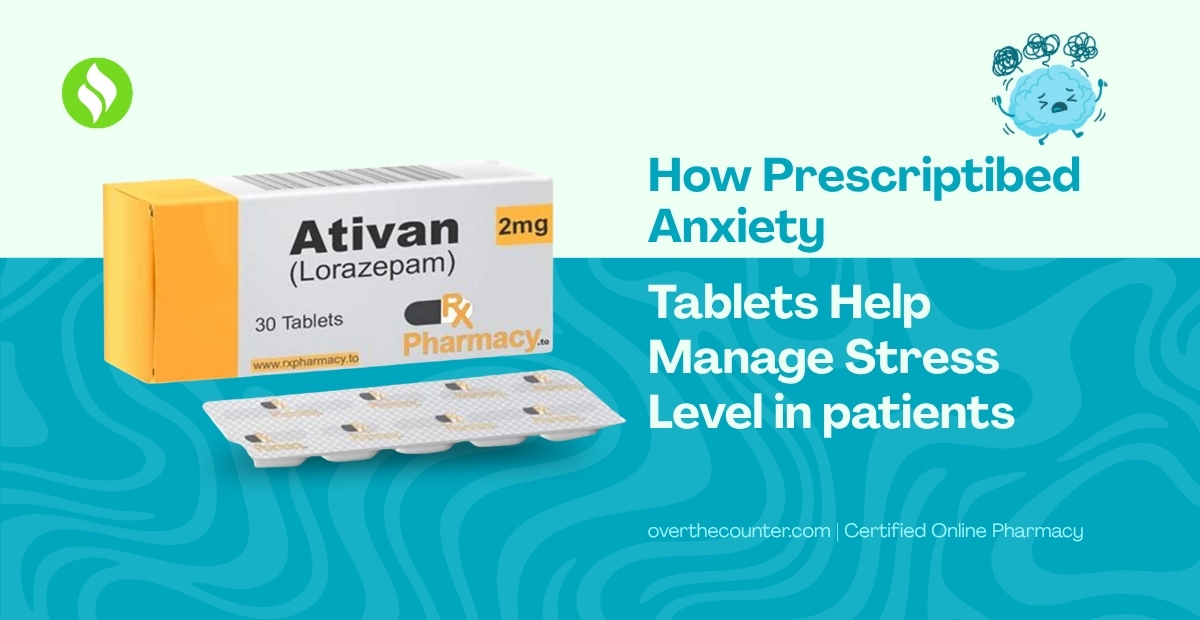
Ativan 2mg is a prescription medication containing lorazepam, a medicine belonging to the benzodiazepine class. It is prescribed by healthcare professionals for certain anxiety conditions and other specific medical situations. Understanding Ativan 2mg, its uses, potential benefits, and safety precautions is important for anyone who has been prescribed this medication.
Lorazepam works by calming activity in the central nervous system. While it may help relieve anxiety symptoms, it can also cause drowsiness and physical dependence. Therefore, Ativan 2mg should only be used under medical supervision.
What Is Ativan 2mg?
Ativan 2mg contains lorazepam, a benzodiazepine that enhances the effects of gamma-aminobutyric acid (GABA), a chemical messenger in the brain that helps regulate nerve activity.
By increasing GABA's calming effects, lorazepam may help reduce excessive nervous system activity. It is available in different strengths, and the appropriate treatment depends on a healthcare professional's assessment.
Ativan 2mg is not suitable for everyone and should never be taken without a valid prescription.
What Is Ativan 2mg Used For?
Anxiety Management
Ativan may be prescribed for the short-term management of anxiety symptoms. These symptoms can include excessive worry, nervousness, restlessness, and difficulty relaxing.
When prescribed appropriately, lorazepam may help reduce anxiety and support individuals during periods of significant distress.
Medical and Hospital Settings
Lorazepam may also be used in certain medical settings, including before procedures to help reduce anxiety or produce sedation.
Healthcare professionals may use lorazepam for other specific conditions, depending on the patient's needs and applicable medical guidelines.
Potential Benefits of Ativan 2mg
When prescribed for an appropriate medical reason, Ativan 2mg may provide several benefits:
- May help relieve acute anxiety symptoms
- Can produce a calming effect on the nervous system
- May help reduce anxiety before certain medical procedures
- Can support short-term symptom management under medical supervision
The response to lorazepam varies between individuals. It should be used as part of a treatment plan rather than as a substitute for addressing the underlying cause of anxiety.
Possible Side Effects of Ativan 2mg
Like other medications, Ativan 2mg may cause side effects. Common effects include:
- Drowsiness and tiredness
- Dizziness
- Weakness
- Reduced coordination
- Difficulty concentrating
- Memory problems
Avoid driving or operating machinery if you feel sleepy or less alert after taking lorazepam.
Serious side effects may include extreme sedation, confusion, or slowed breathing. Seek emergency medical help if someone becomes difficult to wake or experiences breathing problems.
Important Safety Precautions
Ativan 2mg requires careful use because benzodiazepines can cause physical dependence and withdrawal symptoms.
Avoid Alcohol and Risky Combinations
Alcohol can increase lorazepam's sedative effects. Combining it with opioid medicines or other central nervous system depressants can cause dangerous breathing difficulties, coma, or death.
Always inform your healthcare professional about other medications and supplements you use.
Do Not Stop Suddenly
After regular use, stopping lorazepam suddenly may cause withdrawal symptoms, including anxiety, restlessness, insomnia, and, in severe cases, seizures.
A healthcare professional should guide any reduction or discontinuation of treatment.
Who Should Consult a Doctor Before Using Ativan?
People with breathing problems, liver disease, sleep apnea, a history of substance misuse, or other significant medical conditions should discuss their circumstances with a healthcare professional before using lorazepam.
Older adults may be more sensitive to its effects. Pregnancy and breastfeeding also require medical assessment.
Conclusion
Ativan 2mg is a prescription medication that may help manage certain anxiety symptoms and provide sedation in specific medical situations. However, its benefits must be balanced against potential side effects, dependence, and interaction risks.
Use lorazepam only as prescribed, avoid alcohol, and consult your healthcare professional before changing or stopping treatment.
For more information, refer to MedlinePlus Lorazepam Information.