
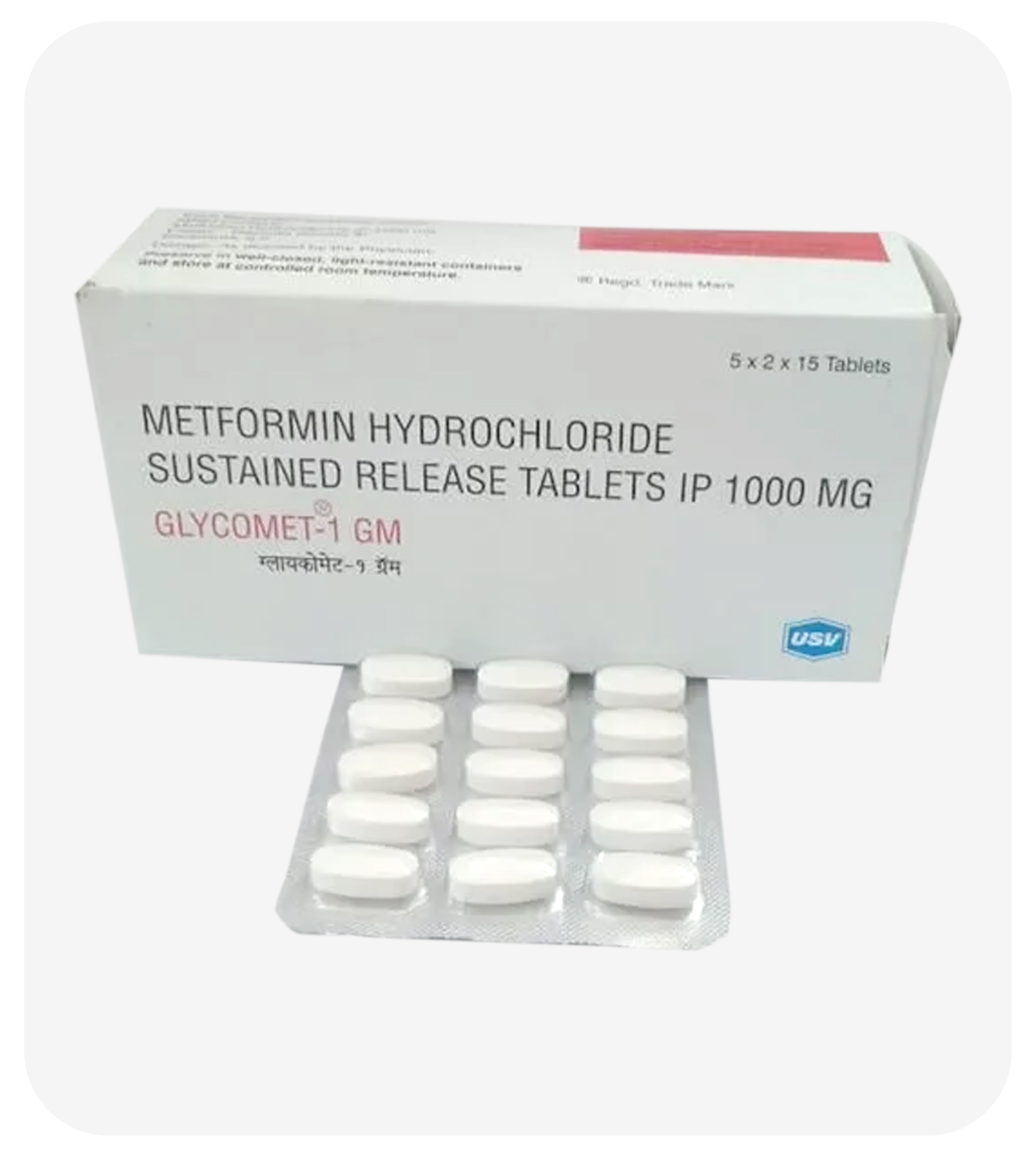
Glycomet: Uses, Dosage, Side Effects & Safety Information
Glycomet: Uses, Dosage, Side Effects & Safety Information
Glycomet is a prescription medication commonly used to help manage blood sugar levels in people with type 2 diabetes. Its active ingredient, metformin, belongs to a group of medicines called biguanides. It works mainly by reducing glucose production in the liver and improving the body's response to insulin.
Understanding Glycomet uses, dosage, side effects, and safety information is important before starting treatment. This guide explains how the medicine works, its potential benefits, and the precautions patients should follow.
What Is Glycomet?
Glycomet is a brand of metformin available in different strengths and formulations, including immediate-release and extended-release tablets. It helps control blood glucose levels and is often prescribed alongside a balanced diet and regular physical activity.
Metformin does not usually increase insulin production. Instead, it helps the body use insulin more effectively. It is primarily prescribed for type 2 diabetes and is not a treatment for type 1 diabetes on its own.
Glycomet Uses
Glycomet is mainly prescribed to support blood sugar management. Healthcare professionals may recommend it for several reasons.
Managing Type 2 Diabetes
Metformin helps reduce excess glucose production in the liver and improves insulin sensitivity. This supports better blood sugar control throughout the day.
Improving Insulin Sensitivity
In people with insulin resistance, the body's cells do not respond effectively to insulin. Glycomet helps improve the body's response, allowing glucose to move from the bloodstream into cells more efficiently.
Supporting Diabetes Management
Glycomet is often used as part of a broader treatment plan that includes healthy eating, physical activity, and regular blood glucose monitoring. Depending on individual needs, it may also be prescribed alongside other diabetes medications.
Glycomet Dosage Information
The appropriate Glycomet dosage depends on the tablet strength, formulation, blood glucose levels, kidney function, and individual response to treatment.
Immediate-release and extended-release formulations have different instructions. They should not be substituted for one another without medical advice.
Patients should follow these precautions:
- Take Glycomet exactly as prescribed.
- Take immediate-release tablets with meals if instructed.
- Swallow extended-release tablets according to the product instructions.
- Do not crush or chew extended-release tablets unless specifically permitted.
- Never increase or reduce the dose independently.
- Do not take an extra dose to make up for a missed dose.
Healthcare professionals may adjust the dosage gradually to improve tolerance and blood sugar control. Kidney function should be assessed before and during treatment.
Possible Side Effects of Glycomet
Like other prescription medications, Glycomet can cause side effects. Many are related to the digestive system, particularly when treatment begins.
Common Side Effects
Some commonly reported side effects include:
- Nausea
- Diarrhea
- Vomiting
- Stomach discomfort
- Bloating
- Gas
- Changes in appetite
Taking the medication with food, when instructed, may help reduce digestive discomfort. Persistent symptoms should be discussed with a healthcare professional.
Serious Side Effects
A rare but serious complication associated with metformin is lactic acidosis, which involves a dangerous buildup of lactic acid in the bloodstream.
Warning signs may include unusual weakness, severe muscle pain, difficulty breathing, unusual sleepiness, stomach discomfort, or feeling unusually cold. Seek emergency medical attention if these symptoms occur.
Long-term metformin use may also lower vitamin B12 levels in some people. Healthcare professionals may recommend monitoring when appropriate.
Important Safety Precautions
Before using Glycomet, patients should discuss their medical history and current medications with a healthcare professional.
Important precautions include:
- Kidney health: Metformin may not be suitable for people with severely reduced kidney function.
- Liver problems: Liver disease may increase the risk of complications.
- Alcohol: Excessive alcohol consumption can increase the risk of lactic acidosis.
- Medical procedures: Inform healthcare professionals if you are scheduled for surgery or an imaging test involving iodinated contrast dye.
- Pregnancy and breastfeeding: Discuss the benefits and potential risks with a healthcare professional.
- Vitamin B12: Long-term treatment may require monitoring of vitamin B12 levels.
Frequently Asked Questions
What is Glycomet used for?
Glycomet contains metformin and is primarily used to help manage blood sugar levels in people with type 2 diabetes.
Can Glycomet cause low blood sugar?
Metformin alone generally has a low risk of hypoglycemia. However, the risk may increase when it is combined with insulin or certain other diabetes medications.
Should Glycomet be taken with food?
Immediate-release metformin is commonly taken with meals to reduce stomach-related side effects. Follow the instructions for your specific formulation.
Final Thoughts
Glycomet is a commonly prescribed medication that helps manage type 2 diabetes by reducing glucose production in the liver and improving insulin sensitivity. Although it can support effective blood sugar control, patients should understand its possible side effects, kidney-related precautions, and rare risk of lactic acidosis. Follow the prescribed treatment plan, attend regular check-ups, and maintain healthy lifestyle habits for better diabetes management.