
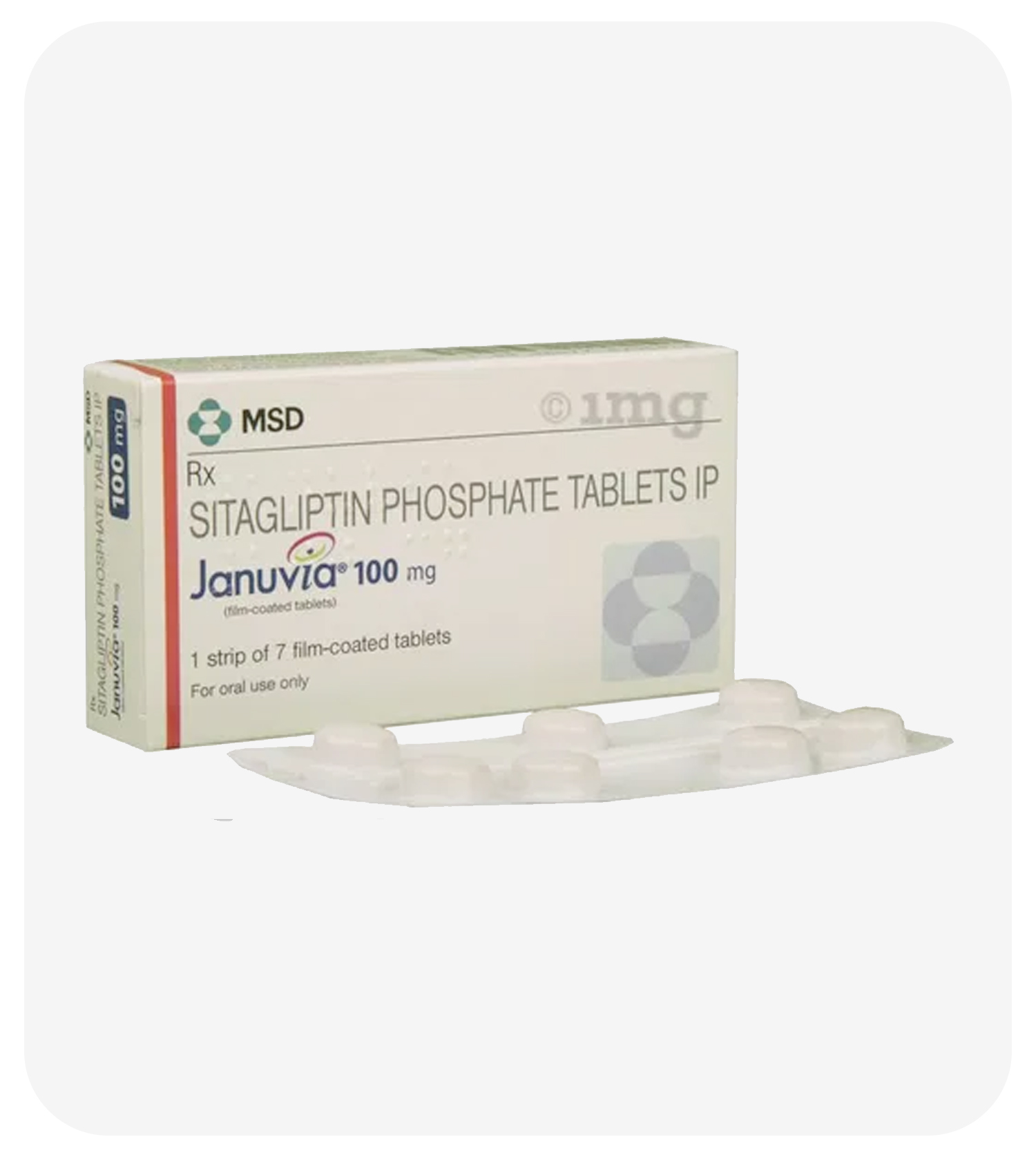
Januvia: Uses, Dosage, Side Effects & Important Safety Guide
Januvia: Uses, Dosage, Side Effects & Important Safety Guide
Januvia is a prescription medication used to help manage blood sugar levels in adults with type 2 diabetes. Its active ingredient, sitagliptin, belongs to a group of medicines called DPP-4 inhibitors. It works by increasing the activity of certain natural hormones that help regulate blood glucose levels.
Understanding Januvia uses, dosage, side effects, and important safety information is essential before starting treatment. This guide explains how the medication works, its benefits, and the precautions patients should know.
What Is Januvia?
Januvia contains sitagliptin, an oral diabetes medicine designed to improve blood sugar control in adults with type 2 diabetes. It helps the body release more insulin when blood glucose levels are elevated and reduces the amount of glucose produced by the liver.
Januvia is generally used alongside a balanced diet and regular physical activity. It is not intended to treat type 1 diabetes or diabetic ketoacidosis.
Januvia Uses
Januvia is primarily prescribed to improve blood glucose control in adults with type 2 diabetes.
Managing Blood Sugar Levels
Sitagliptin helps regulate blood glucose by supporting the body's natural insulin response, particularly after meals. This can help patients maintain healthier blood sugar levels.
Supporting Diabetes Treatment
Healthcare professionals may prescribe Januvia alone or alongside other diabetes medications when additional blood sugar control is needed.
Working Alongside Lifestyle Changes
Januvia works best as part of a broader diabetes management plan. Healthy eating, regular physical activity, blood glucose monitoring, and medical follow-ups remain important.
Januvia Dosage Information
The recommended Januvia dosage for many adults is 100mg once daily. However, the appropriate dose depends on kidney function and individual medical circumstances.
Patients with moderate or severe kidney impairment may require a lower dose. A healthcare professional should evaluate kidney function before prescribing sitagliptin and determine the appropriate amount.
Important dosage precautions include:
- Take Januvia exactly as prescribed.
- It can generally be taken with or without food.
- Take the medication at the recommended time each day.
- Do not increase or reduce the dose independently.
- If you miss a dose, follow your prescription instructions and do not take a double dose.
Always consult a healthcare professional before making changes to your diabetes treatment.
Possible Side Effects of Januvia
Like other prescription medicines, Januvia can cause side effects. Some are mild, while others may require immediate medical attention.
Common Side Effects
Some commonly reported side effects include:
- Stuffy or runny nose
- Sore throat
- Upper respiratory tract infections
- Headache
- Mild digestive discomfort
Patients should discuss persistent or troublesome symptoms with their healthcare professional.
Serious Side Effects
Although uncommon, serious reactions can occur. These may include:
- Pancreatitis: Severe and persistent abdominal pain, sometimes spreading to the back, with or without vomiting.
- Allergic reactions: Swelling of the face, lips, tongue, or throat, and difficulty breathing.
- Severe joint pain: Significant or persistent joint discomfort.
- Bullous pemphigoid: A rare skin condition that can cause blisters.
- Heart failure symptoms: Shortness of breath, unusual tiredness, or swelling in the legs may require urgent evaluation.
Seek immediate medical attention if you experience symptoms of a serious reaction.
Important Safety Precautions
Before taking Januvia, patients should discuss their medical history and current medications with a healthcare professional.
Important precautions include:
- Kidney function: Sitagliptin dosage may need adjustment in people with reduced kidney function.
- Pancreatitis: Inform your doctor if you have a history of pancreatic inflammation.
- Low blood sugar: The risk of hypoglycemia may increase when Januvia is combined with insulin or sulfonylurea medicines.
- Heart health: Report any history of heart failure or symptoms such as unexplained swelling and breathlessness.
- Pregnancy and breastfeeding: Discuss the potential risks and benefits with a healthcare professional.
Do not stop or change other diabetes medications without medical advice.
Who Should Be Careful When Using Januvia?
People with kidney disease, a history of pancreatitis, heart failure, or previous serious allergic reactions to sitagliptin should receive medical evaluation before using Januvia.
Regular medical check-ups and blood glucose monitoring help healthcare professionals assess treatment effectiveness and identify possible complications.
Frequently Asked Questions
What is Januvia used for?
Januvia is prescribed to improve blood sugar control in adults with type 2 diabetes, usually alongside diet and exercise.
Can Januvia be taken with food?
Yes. Januvia can generally be taken with or without food, following the prescribed instructions.
Does Januvia cause low blood sugar?
Januvia alone has a relatively low risk of hypoglycemia. However, the risk may increase when it is combined with insulin or certain other diabetes medications.
Final Thoughts
Januvia is an oral medication that helps adults with type 2 diabetes manage blood glucose levels. Its active ingredient, sitagliptin, supports the body's natural insulin response. Although it can be an effective part of diabetes treatment, kidney function, possible side effects, and medication interactions should be considered. Always follow professional medical advice and combine treatment with appropriate lifestyle habits for better diabetes management.