
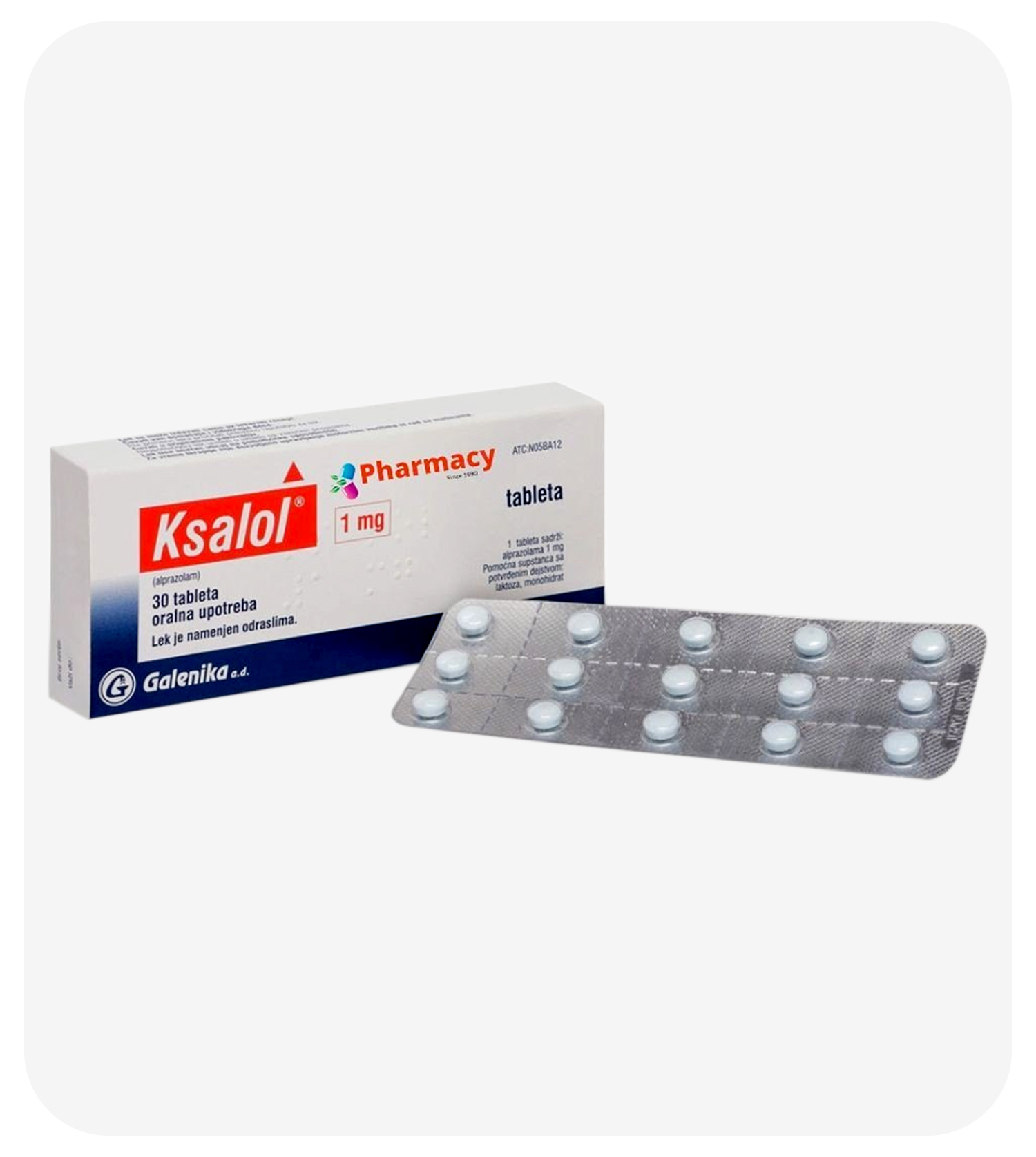
Xanax 1mg: Trusted Guide to Uses and Safety
Xanax 1mg: Trusted Guide to Uses and Safety
Xanax 1mg is a prescription medication containing alprazolam, a medicine belonging to the benzodiazepine class. It is prescribed by healthcare professionals for certain anxiety-related conditions and panic disorder. Understanding how Xanax 1mg works, its possible side effects, and the precautions associated with its use is important for anyone who has been prescribed this medication.
Anxiety can affect everyday activities, sleep, concentration, and emotional well-being. For some individuals, medical treatment may be part of a broader plan to manage symptoms. However, Xanax 1mg should only be used under the supervision of a qualified healthcare professional because it can cause sedation, physical dependence, and potentially serious complications.
This guide explains the general uses, safety considerations, and important precautions associated with alprazolam.
What Is Xanax 1mg?
Xanax 1mg contains alprazolam, a central nervous system depressant that belongs to the benzodiazepine family. It works by affecting certain chemical signals in the brain, particularly the activity of gamma-aminobutyric acid (GABA).
GABA helps regulate nerve activity and contributes to a calming effect in the nervous system. Alprazolam enhances the effects of this chemical, which may help reduce excessive anxiety and feelings of panic.
Xanax 1mg is one of several tablet strengths available for alprazolam. The strength of a tablet does not determine whether it is suitable for a particular person. A healthcare professional must consider the individual's medical history, symptoms, other medications, and response to treatment before prescribing it.
What Is Xanax 1mg Used For?
Xanax 1mg may be prescribed for specific anxiety-related conditions. The decision to use alprazolam depends on a professional assessment of symptoms and individual circumstances.
Generalized Anxiety Disorder
Generalized anxiety disorder involves persistent and excessive worry about everyday situations. People experiencing this condition may find it difficult to control their worries, even when there is no immediate reason for concern.
Symptoms may include:
- Persistent nervousness or worry
- Restlessness and difficulty relaxing
- Trouble concentrating
- Muscle tension
- Sleep disturbances
- Feeling easily overwhelmed
Alprazolam may be prescribed for the acute treatment of generalized anxiety disorder in adults. It can help reduce anxiety symptoms, but it does not replace a complete treatment plan or address every underlying cause of anxiety.
Panic Disorder
Panic disorder involves repeated episodes of intense fear or discomfort that may occur unexpectedly. These episodes are often called panic attacks.
During a panic attack, an individual may experience a racing heartbeat, sweating, trembling, dizziness, chest discomfort, or a feeling of losing control.
Xanax 1mg may be prescribed as part of the treatment for panic disorder, with or without agoraphobia. Agoraphobia involves fear or anxiety about situations where escape may feel difficult or help may seem unavailable.
A healthcare professional can determine whether alprazolam is appropriate and explain how it should be used safely.
How Does Xanax 1mg Work?
The brain continuously sends signals that regulate emotions, alertness, and physical responses. During periods of intense anxiety, some individuals experience excessive nervous system activity.
Alprazolam enhances the activity of GABA, a naturally occurring neurotransmitter that helps reduce nerve excitability. This action can produce a calming effect and may help relieve symptoms of anxiety.
Because Xanax 1mg affects the central nervous system, it can also cause drowsiness, reduced alertness, and impaired coordination.
The effects may vary from person to person. Factors such as age, health conditions, other medications, and individual sensitivity can influence how the medicine affects the body.
Important Safety Information About Xanax 1mg
Xanax 1mg is a prescription medication that requires careful medical supervision. It should never be taken without a prescription or used in a way that differs from the instructions provided by the prescribing healthcare professional.
Follow Your Prescriber's Instructions
Take alprazolam only as directed by your healthcare professional. Do not increase the amount, take it more frequently, or continue treatment longer than instructed.
Taking more than prescribed can increase the risk of excessive sedation, impaired coordination, and serious complications.
If you have questions about your prescribed treatment, speak with your doctor or pharmacist rather than making changes independently.
Avoid Alcohol
Alcohol can increase the sedative effects of alprazolam. Combining the two substances may lead to severe drowsiness, impaired judgment, breathing difficulties, or other dangerous effects.
Avoid alcohol while taking Xanax 1mg unless your healthcare professional has specifically advised you otherwise.
Be Careful With Other Medications
Certain medications can interact with alprazolam and increase its effects.
Particular care is needed with opioid pain medicines, some cough medicines, sleeping medications, and other substances that slow down the central nervous system.
Combining benzodiazepines with opioids can cause profound sedation, respiratory depression, coma, or death. Always inform your healthcare professional about every medication, supplement, or substance you use.
Possible Side Effects of Xanax 1mg
Like other prescription medications, Xanax 1mg may cause side effects. Some effects may be mild, while others require medical attention.
Common Side Effects
Possible side effects include:
- Drowsiness
- Dizziness or lightheadedness
- Tiredness
- Headache
- Dry mouth
- Difficulty concentrating
- Changes in coordination
- Memory difficulties
These effects may interfere with daily activities, particularly when someone first begins treatment or when their medication is changed.
If side effects become persistent, uncomfortable, or interfere with normal activities, contact your healthcare professional.
Serious Side Effects
Serious reactions may include extreme sleepiness, confusion, unusual changes in behavior, severe coordination problems, or difficulty breathing.
Seek immediate medical assistance if someone taking Xanax 1mg becomes unresponsive, has unusually slow or difficult breathing, or cannot be awakened normally.
These symptoms may indicate a serious reaction or overdose and should not be ignored.
Dependence and Withdrawal Risks
One of the most important safety considerations associated with Xanax 1mg is the possibility of physical dependence.
Physical dependence can develop when the body adapts to continued use of a medication. This does not automatically mean someone has an addiction, but it does mean that stopping the medicine suddenly may cause withdrawal symptoms.
Possible withdrawal symptoms include:
- Increased anxiety
- Irritability
- Difficulty sleeping
- Trembling
- Sweating
- Restlessness
- Changes in mood
In severe cases, withdrawal may cause seizures or other life-threatening complications.
Never stop taking Xanax 1mg suddenly after continued use without medical guidance. A healthcare professional can develop an individualized plan to gradually reduce the medication when discontinuation is appropriate.
The length and pace of this process depend on the person's treatment history and medical circumstances.
Who Should Discuss Extra Precautions With a Doctor?
Before starting Xanax 1mg, individuals should tell their healthcare professional about their medical history.
Extra precautions may be necessary for people who have:
- A history of breathing problems
- Liver disease
- Sleep-related breathing disorders
- A history of substance misuse
- Depression or other mental health conditions
- Previous reactions to benzodiazepines
Older adults may be more sensitive to the effects of alprazolam and may have a greater risk of falls, confusion, or excessive sedation.
Pregnant individuals or those planning pregnancy should discuss the potential risks and benefits of treatment with their healthcare professional. Alprazolam may also pose risks during breastfeeding.
Xanax 1mg and Daily Activities
Because alprazolam can affect alertness and coordination, individuals should be cautious when performing activities that require concentration.
Do not drive, operate machinery, or perform potentially dangerous tasks if you feel sleepy, dizzy, or less alert after taking the medication.
It is important to understand how the medicine affects you before engaging in activities that require quick reactions.
Maintaining regular communication with your healthcare professional can help identify unwanted effects and determine whether your treatment plan remains appropriate.
Final Thoughts on Xanax 1mg
Xanax 1mg is a prescription medication that may help manage certain anxiety-related conditions and panic disorder when used under appropriate medical supervision.
Understanding its uses, possible side effects, interactions, and dependence risks is essential for safe treatment. Individuals should follow their prescribed instructions, avoid alcohol and unsafe medication combinations, and never discontinue alprazolam abruptly without medical guidance.
For reliable information about alprazolam, consult your healthcare professional and refer to trusted medical resources such as MedlinePlus Alprazolam Information and the official prescribing information.
A careful, informed approach to treatment can help individuals understand their medication and make safer decisions about their health.